How South Carolina Law Handles Cannabis-Impaired Driving Accidents
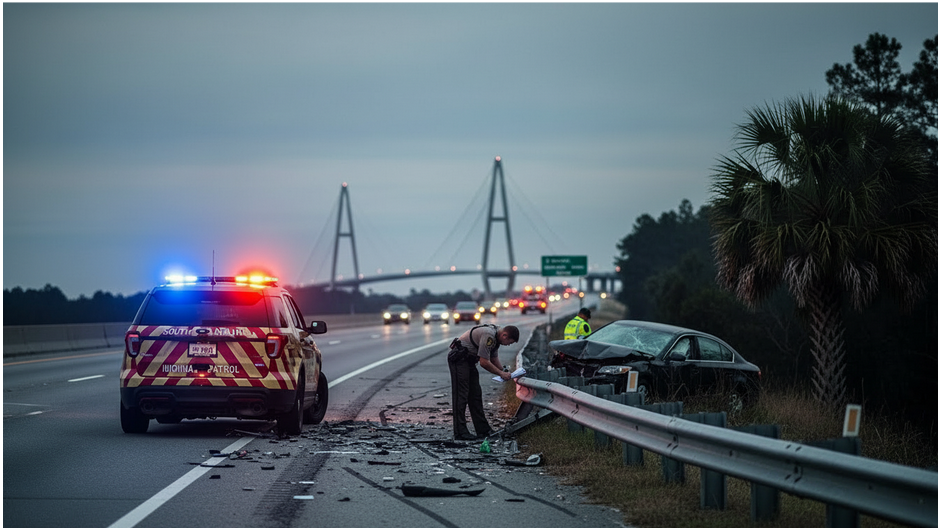
Roads in the Palmetto State see a unique blend of coastal beauty and bustling city traffic. However, the rise in marijuana use brings new challenges to road safety across the state. When a wreck occurs involving a person under the influence of weed, the legal process becomes intricate.
Unlike alcohol, identifying intoxication requires specific testing and observation. Victims often face high medical bills and long recovery times while seeking justice. Understanding how state statutes apply to these incidents is the first step toward recovery.
Why Does South Carolina Law Treat Cannabis Impairment This Way?
The legal framework in the Palmetto State treats marijuana-related impairment under Section 56-5-2930. This law prohibits operating a motor vehicle while a person’s faculties are materially and appreciably impaired by any substance. This includes controlled substances, even if used for medicinal purposes elsewhere in the country.
The state must prove the individual could not safely operate their vehicle. This means their reaction time, focus, and physical coordination were notably diminished by the substance. Prosecutors look for erratic steering as a primary indicator of this specific impairment.
What Role Does SLED Play in These Cases?
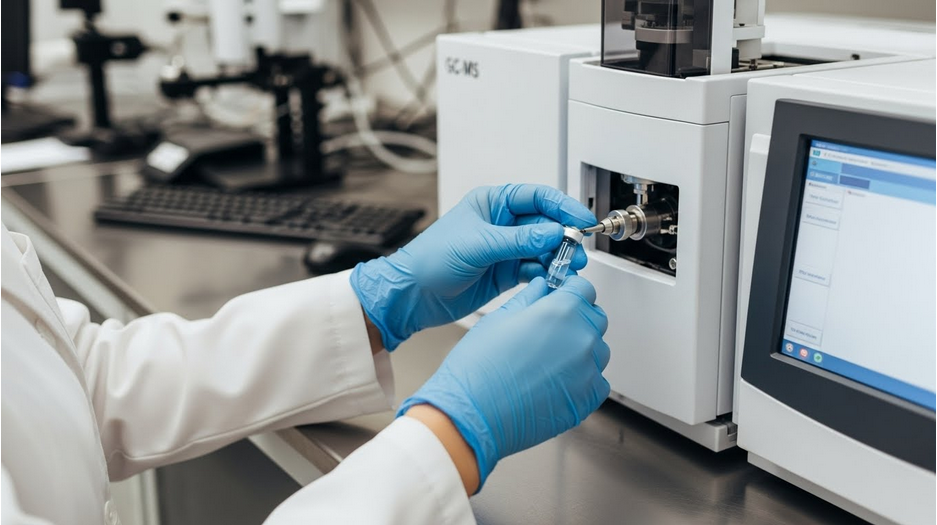
The State Law Enforcement Division handles chemical analysis of blood or urine samples. Since THC can stay in a person’s system for weeks, SLED analysts must distinguish between past use and active intoxication. Their laboratory findings are often the cornerstone of legal proceedings. According to the SCDPS, South Carolina authorities apply a legal inference for alcohol at 0.08 percent; however, for cannabis, the focus remains on proven impairment. Statistically, operating a vehicle at this specific level makes an individual seven times more likely to be involved in a wreck compared to a sober driver. If that concentration rises to 0.15 percent, the probability of a collision becomes 25 times higher than the baseline.
If you have been injured in Palmetto State, a South Carolina car accident lawyer from StewartLawOffices.net can provide the strategic advocacy needed to manage the complexities of drug-related evidence while building a comprehensive case for the recovery you are seeking. Because THC affects depth perception and decision-making differently than alcohol, securing testimony from a certified DRE is often the most effective way to prove that a driver’s marijuana use was the actual cause of the collision.
What Evidence Is Used to Prove Marijuana Use at the Scene?
At the site of a crash, officers use specialized training to detect signs of drug use. Since a breathalyzer cannot detect weed, police often call for a Drug Recognition Expert (DRE). These officers follow a multi-step evaluation process to check for physiological signs, including pupil size and pulse rate.
How are Field Sobriety Tests Adapted for Marijuana?
Officers still use the standard walk-and-turn or one-leg stand tests during these stops. While these were designed for alcohol, they also reveal a lack of balance and an inability to divide attention. Poor performance provides the probable cause needed for a chemical draw.
Why is the 12-Step Evaluation Process Important?
The detailed evaluation is a systematic process that helps rule out medical conditions or simple fatigue. By checking blood pressure and eye movement, the officer can pinpoint the specific category of drug being used. This report serves as powerful evidence when seeking compensation for injuries.
Evidence gathered at the scene often includes dash-cam footage and witness statements regarding the driver's behavior. In places like Charleston or Greenville, law enforcement is increasingly trained in advanced enforcement. Documentation of the smell of burnt marijuana or the presence of paraphernalia also plays a major role.
How Does Implied Consent Affect Your Recovery Case?
The state's implied consent law means any driver on the road has already agreed to testing if suspected of impairment. If a driver refuses a blood or urine test after an accident, their license is automatically suspended. While a refusal might seem helpful, it is often detrimental to their defense.
For a victim, a driver’s refusal to test doesn't stop the case. Other evidence, like video and officer testimony, becomes even more significant. The legal system allows for a negative inference in certain situations. This helps you establish that the other party was at fault.
What Compensation Can Victims Seek After a Marijuana-Related Wreck?
Victims in South Carolina can pursue various types of damages to cover their losses. This includes economic damages like hospital bills, lost wages, and future medical expenses. Because marijuana impairment involves a conscious choice to drive, punitive damages might also be available for victims to pursue.
Non-economic damages cover the loss of enjoyment of life and the trauma associated with the event in Lexington or Beaufort. The state follows a modified comparative negligence rule. If the other driver was clearly under the influence of marijuana, they typically bear the majority of fault, though your recovery depends on the state's 51% rule.
FAQs
Can I sue if the driver had a medical marijuana card from another state?
Yes. South Carolina does not currently recognize out-of-state medical marijuana cards for driving purposes. Even if the use was legal elsewhere, the law still prohibits driving while materially and appreciably impaired by any substance within our state lines.
Is there a specific THC limit for drivers in South Carolina?
No. Unlike the 0.08% blood alcohol limit, the state has no per se limit for THC. Impairment is judged based on the person's actual ability to operate the vehicle safely and the presence of active metabolites in their system.